
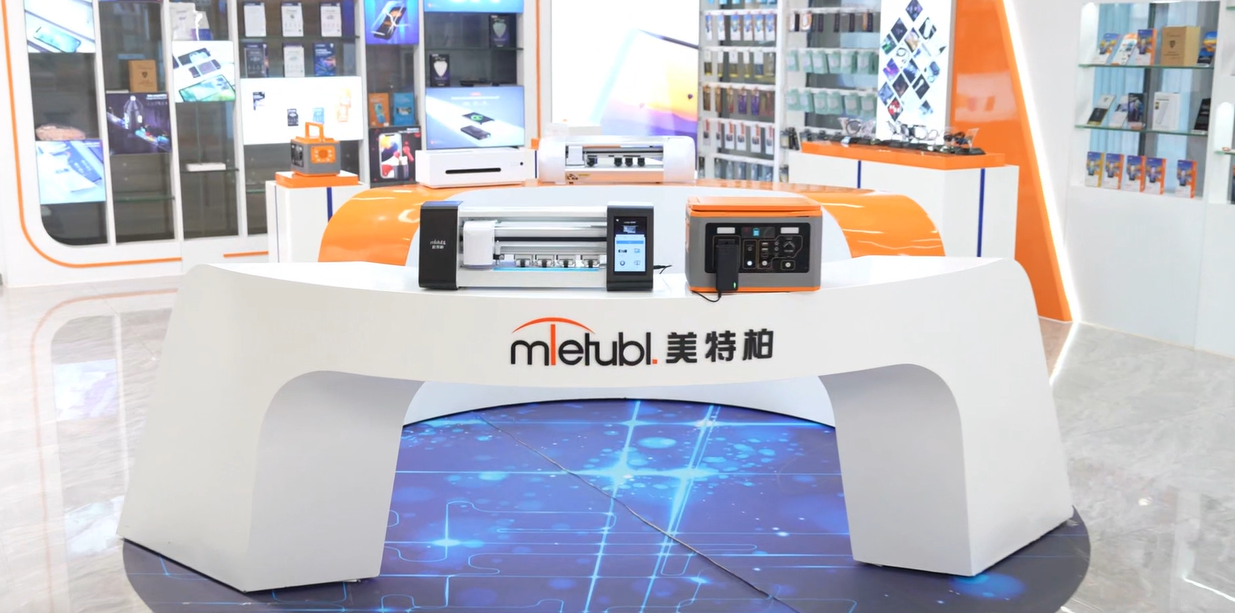
MIETUBL Brand Overview
MIETUBL is a brand originating from China and thriving through China’s intelligent manufacturing. It is committed to providing high-quality mobile accessories and related products to global consumers. Since its inception in 1998, the brand has followed the trends of the times, focusing on resource integration and building a symbiotic and shared industry ecosystem, enabling global consumers to conveniently access quality products that enhance their lives.
By continuously innovating and diversifying its product offerings, MIETUBL has achieved significant success in the mobile accessory industry. As a brand driven by customer value and innovation, MIETUBL has expanded into various product applications while accumulating rich industry experience and establishing a stable customer base. Headquartered in Zengcheng, Guangzhou, the company has strategically positioned itself within the mobile accessory industry, integrating high-quality production resources and aiming for a win-win business model.
Core Values and Development Vision:
-
Customer-Centric: MIETUBL always prioritizes customer needs, continually enhancing product quality and consumer experience through innovation and technological research and development.
-
Resource Integration and Industry Symbiosis: By integrating industry resources, MIETUBL creates a symbiotic, shared industry ecosystem, connecting global distributors and consumers, and promoting mutual growth across the value chain.
-
Global Vision: MIETUBL is committed to bringing Chinese manufacturing to the world, providing global consumers with high-quality, innovative mobile accessories, while offering profitable opportunities for distributors.
MIETUBL’s long-term vision is to continually enhance its products through innovation and quality, establishing “MIETUBL” as a globally trusted brand, recognized in markets around the world.
PRODUCTS
How to Ensure Your Screen Protector Doesn’t Interfere with Your Phone Case
Choosing the Right Screen Protector
The first step towards compatibility lies in selecting the appropriate screen protector. Not all screen protectors are created equal. Tempered glass protectors, while offering superior protection, can sometimes be too thick for certain phone cases. They might not adhere properly or could cause the case to fit loosely, leading to gaps that compromise protection. Consider the thickness of the protector; thinner options are often more case-friendly. Check the manufacturer's specifications, often listed as a measurement in millimeters (e.g., 0.3mm). Thinner protectors generally allow for better compatibility with a wider range of phone cases.
Furthermore, consider the type of screen protector. While tempered glass provides excellent impact resistance, flexible plastic film protectors can often be a more accommodating choice when it comes to compatibility with phone cases. These are usually thinner and more flexible, allowing them to conform to the case more easily. However, keep in mind that they generally offer less scratch and impact protection than tempered glass.
Selecting a Compatible Phone Case
The phone case itself also plays a vital role in compatibility. Cases with raised bezels around the screen are often designed to provide additional protection for the screen protector, preventing it from directly contacting surfaces when the phone is laid flat. However, excessively thick or bulky cases can still interfere with the screen protector. Look for cases that are specifically designed to be compatible with screen protectors, often advertising this feature in their product descriptions.
Before purchasing a case, consider the material. Rigid cases made of hard plastic or polycarbonate may be less forgiving of slightly thicker screen protectors. Flexible silicone or TPU (thermoplastic polyurethane) cases tend to be more adaptable and can accommodate screen protectors with less likelihood of interference. If you have a particularly thick screen protector, a flexible case may be the best option to avoid any issues.
Proper Application Technique
Even with carefully chosen screen protectors and cases, improper application can still lead to problems. Make sure your hands are clean and the phone screen is meticulously cleaned before application. Dust and debris can easily become trapped under the screen protector, causing bubbles and affecting adhesion. Follow the instructions provided with your screen protector carefully, paying attention to details like alignment and pressure application.
Take your time. Don't rush the application process. If you notice any bubbles forming, gently try to smooth them out with a microfiber cloth. Persistent bubbles might indicate an issue with the compatibility of the screen protector and the case, or an improper application. In such instances, consider reapplying the screen protector or trying a different protector altogether.
Troubleshooting Interference
If you're experiencing issues, like the screen protector lifting at the edges or the case fitting poorly, don't panic. First, inspect the edges of the screen protector and the case. If the case is pressing down too firmly on the protector, consider using a different case or trimming the edges of the screen protector very carefully (if applicable and only as a last resort and with extreme caution). Remember that doing this could void any warranty and potentially damage the protector.
If the problem persists, carefully remove both the screen protector and the case. Thoroughly clean both the phone screen and the case. Re-apply the screen protector, ensuring it's perfectly aligned and free from dust or debris. Then, carefully attach the phone case, paying close attention to the fit. If issues still exist after these steps, it may be necessary to try a different screen protector or phone case to find the perfect combination for your device.
SUBSCRIBE
INQUIRY