
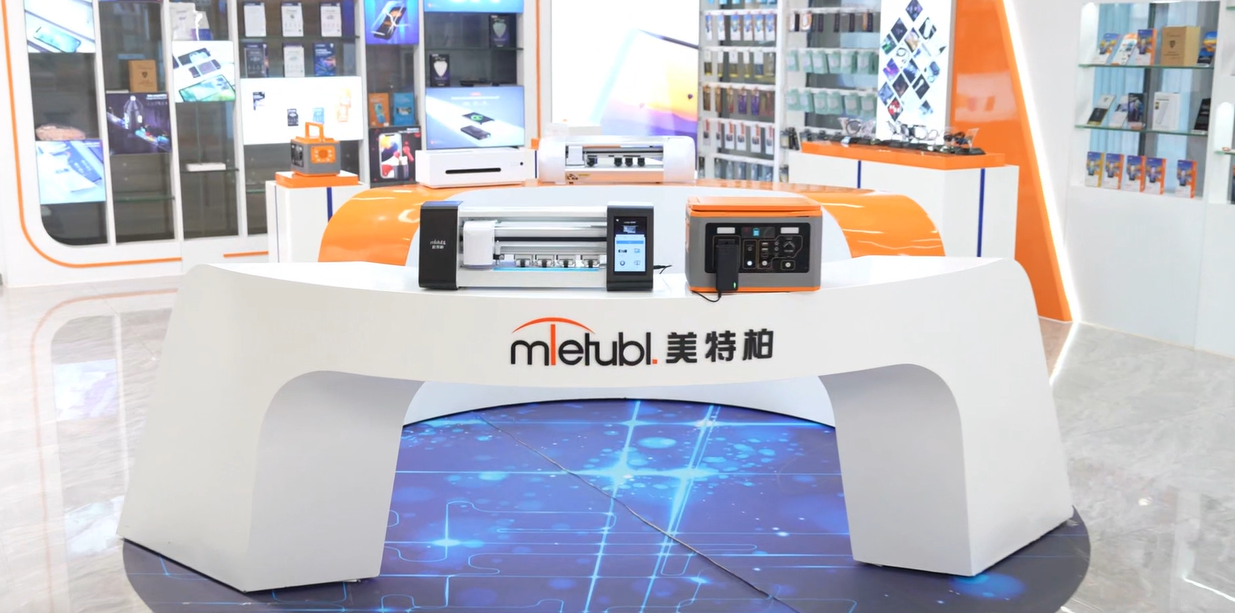
MIETUBL Brand Overview
MIETUBL is a brand originating from China and thriving through China’s intelligent manufacturing. It is committed to providing high-quality mobile accessories and related products to global consumers. Since its inception in 1998, the brand has followed the trends of the times, focusing on resource integration and building a symbiotic and shared industry ecosystem, enabling global consumers to conveniently access quality products that enhance their lives.
By continuously innovating and diversifying its product offerings, MIETUBL has achieved significant success in the mobile accessory industry. As a brand driven by customer value and innovation, MIETUBL has expanded into various product applications while accumulating rich industry experience and establishing a stable customer base. Headquartered in Zengcheng, Guangzhou, the company has strategically positioned itself within the mobile accessory industry, integrating high-quality production resources and aiming for a win-win business model.
Core Values and Development Vision:
-
Customer-Centric: MIETUBL always prioritizes customer needs, continually enhancing product quality and consumer experience through innovation and technological research and development.
-
Resource Integration and Industry Symbiosis: By integrating industry resources, MIETUBL creates a symbiotic, shared industry ecosystem, connecting global distributors and consumers, and promoting mutual growth across the value chain.
-
Global Vision: MIETUBL is committed to bringing Chinese manufacturing to the world, providing global consumers with high-quality, innovative mobile accessories, while offering profitable opportunities for distributors.
MIETUBL’s long-term vision is to continually enhance its products through innovation and quality, establishing “MIETUBL” as a globally trusted brand, recognized in markets around the world.
PRODUCTS
Which Screen Protector Offers the Best Scratch Resistance?
Material Matters: Hardness and Composition
The foundation of scratch resistance lies in the material itself. Screen protectors are typically made from one of several materials, each offering a different level of hardness. Tempered glass, the most prevalent choice, is praised for its superior strength. It undergoes a strengthening process that increases its resistance to shattering and scratching. The hardness is often measured on the Mohs Hardness Scale, with a higher number indicating greater resistance. A tempered glass protector with a hardness rating of 9H (a common claim) signifies significant scratch resistance, though the accuracy of these ratings can vary between manufacturers.
Beyond tempered glass, other options exist, such as plastic films and liquid screen protectors. Plastic films, often made from polyurethane or PET (polyethylene terephthalate), are generally more flexible and easier to apply but offer significantly less scratch resistance than tempered glass. Liquid screen protectors, on the other hand, form a thin, almost invisible layer on the screen. While they offer some protection, their scratch resistance is generally lower than tempered glass and they may be more susceptible to wear and tear over time.
Beyond Hardness: Other Contributing Factors
While the material's hardness is a primary determinant of scratch resistance, other factors contribute to a screen protector's overall performance. The thickness of the protector plays a role; thicker protectors generally offer better protection against impacts and scratches. However, excessively thick protectors can interfere with touch sensitivity and screen responsiveness.
The coating applied to the screen protector also impacts its durability. Some manufacturers use specialized coatings that enhance scratch resistance and make the surface more oleophobic (resistant to oil and fingerprints), further improving longevity. These coatings can prevent minor scratches from forming and make cleaning easier. Look for protectors with claims like "anti-scratch coating" or "oleophobic coating" for additional protection.
Real-World Performance vs. Manufacturer Claims
It's important to treat manufacturer claims with a degree of skepticism. While a 9H hardness rating sounds impressive, real-world performance can vary. Factors such as the manufacturing process and the specific composition of the material can affect the actual scratch resistance. Independent reviews and user experiences often provide a more realistic assessment of a screen protector's performance.
Reading online reviews from reputable sources can help you gauge a screen protector's actual scratch resistance. Look for reviews that detail the user's experience with everyday wear and tear, including exposure to keys, coins, and other potential scratch-causing objects. Pay attention to comments about the longevity of the protector and whether it shows signs of scratches after prolonged use.
Choosing the Right Protector: A Balanced Approach
Ultimately, the best screen protector for scratch resistance is a matter of balancing several factors. While tempered glass offers superior protection, it may not be suitable for everyone. If you prioritize ease of application and flexibility, a plastic film might be a better choice, although you'll sacrifice some scratch resistance. Liquid screen protectors offer a compromise but usually don't provide the robust protection of tempered glass.
Consider your personal usage habits and the level of risk your device faces. If you're prone to dropping your phone or carrying it in your pocket with keys, a high-quality tempered glass protector with a reputable 9H rating and an oleophobic coating is the safest bet. Regardless of your choice, diligent care and proper installation will significantly extend the life of any screen protector, maximizing its ability to shield your precious screen from scratches.
SUBSCRIBE
INQUIRY